
Erik Puik is professor of System Design at Fontys University of Applied Sciences in the Netherlands. He holds a PhD in Systems Engineering from the University of Warwick in the United Kingdom. His work focuses on the design and realisation of complex high-tech systems, with an emphasis on governance structures, design logic, and the practical organisation of engineering processes. He has more than 35 years of experience in product development, mechatronics, and manufacturing, which he combines with a methodological interest in how teams structure and justify their design decisions.
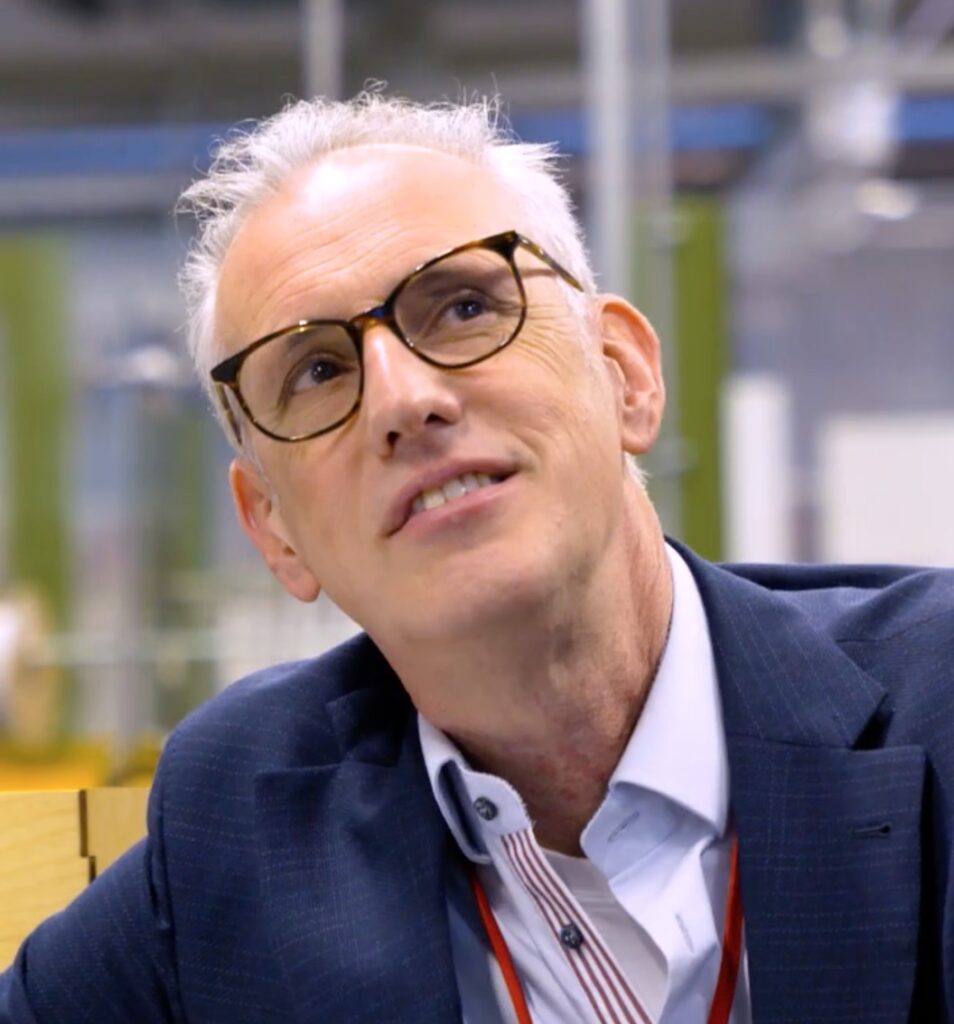
Erik has worked in both industry and academia. He has co-founded several technology ventures and contributed to the development of high-tech equipment in environments where traceability, reliability, and system architecture play a central role. This dual background helps him connect formal systems-engineering methods with the day-to-day realities of engineering organisations and supply chains.
Fontys Research
At Fontys, he leads research in System Design within the Centre of Expertise High Tech Systems & Materials. His work addresses the following themes:
- Systems-engineering methodology, focusing on the relation between functional reasoning, design parameters, and process organisation;
- Design governance and knowledge maturity, examining how teams maintain alignment during system development;
- Application of systems engineering in high-tech MKB ecosystems, where practical adoption and data-driven traceability are essential.
- AI-enabled systems engineering, studying how AI tools can support systems engineers by increasing analytical depth, improving the handling of design logic, and scaling the argumentation required for complex systems.
Beyond the V-Model
Erik wrote Beyond the V-Model to bring structure to a recurring issue he encountered in high-tech development: the difficulty teams experience in keeping stakeholder intent, functional reasoning, and design decisions aligned over time. The book brings together two decades of work on system design, design logic, and engineering governance. It serves as a foundation for his workshops and masterclasses for synthesis engineers and system architects.
Current work focuses on strengthening the connection between design intent, system architecture, and verifiable engineering decisions within high-tech development environments.